The Vistadome Experience: A Guide to the Vizag to Araku Train Journey
The Vistadome Experience: A Guide to the Vizag to Araku Train Journey
Few train journeys in India offer the visual drama that unfolds between Visakhapatnam and Araku Valley. The railway line, an engineering achievement completed in the early twentieth century, climbs from sea level through the Eastern Ghats to reach the Araku plateau. For travelers seeking to experience this journey at its finest, the Vistadome coach transforms routine transport into memorable tourism.
The glass train Araku, as the Vistadome coach is commonly called, features specialized design elements that maximize passenger ability to appreciate the passing scenery. Understanding what makes this experience special and how to secure your place on these popular coaches helps ensure your journey meets expectations.
What Makes the Glass-Roof Train Special?
The Vistadome coach differs from standard railway cars in design elements specifically engineered for scenic viewing. The most notable feature involves large glass panels in the ceiling that allow passengers to look upward at passing scenery. When the train enters tunnels, overhead lighting creates atmospheric effects; when emerging into daylight, valley vistas appear framed by the glass above.
Side windows in Vistadome coaches exceed standard dimensions, providing wider viewing angles than conventional carriages. The window glass maintains transparency without the scratching and fogging that sometimes afflicts heavily used regular coaches. Seats arrange to face optimal viewing directions, though the circular nature of mountain terrain means scenery rotates through all window positions throughout the journey.
Climate control through air conditioning maintains comfortable temperatures regardless of external conditions. The sealed environment prevents the dust and noise intrusion that characterizes travel in general coaches with open windows. For photography enthusiasts, the clean windows and stable environment improve image quality compared to shooting through worn glass with wind interference.
The overall experience targets tourists rather than commuters. Announcements provide information about approaching highlights, allowing passengers to prepare cameras and shift attention to relevant windows. The conductor staff understand their role as tourism facilitators rather than mere ticket checkers. This orientation creates atmosphere distinct from workaday rail travel.
The premium positioning comes with premium pricing. Vistadome tickets cost significantly more than regular coach travel on the same train. Whether this premium delivers proportional value depends on how much you prioritize the scenic experience versus simply reaching Araku as efficiently and economically as possible.
Key Train Numbers and Timings (08504 / 18551)
Understanding the train schedule helps plan your Araku trip around this iconic journey. The primary services operating on the Vizag-Araku route follow established timetables, though confirming current schedules before booking protects against seasonal or administrative changes.
Train 18551 (Kirandul Passenger) departs Visakhapatnam typically around 6:45 AM, reaching Araku at approximately 11:00 AM. The return service, Train 18552, departs Araku around 3:00 PM and reaches Visakhapatnam by evening. These timings create a day-trip structure if you accept limited time in Araku between arrival and departure.
The Vistadome coach attaches to these regular services rather than operating as a separate train. When booking Vistadome, you’re reserving space on the same service that general and sleeper class passengers use, but in the specialized viewing coach with premium facilities.
Weekend and holiday periods see higher demand on all classes. The Vistadome coach, with limited seating capacity, fills particularly quickly during these periods. Planning travel on weekdays improves both booking availability and onboard comfort through smaller crowds.
The journey duration of approximately four hours allows full appreciation of the scenic sections without exhausting passengers. The train maintains speeds appropriate for the terrain, slowing through curves and tunnels in ways that actually enhance viewing opportunities compared to rushing through at higher speeds.
How to Book Vistadome Tickets on IRCTC
Securing Vistadome seats requires booking through Indian Railways’ online reservation system, IRCTC. The process follows standard train booking procedures but demands awareness of the specific coach designation and higher demand characteristics.
Begin by creating or accessing your IRCTC account at irctc.co.in or through the official mobile application. Enter the journey details: origin station as Visakhapatnam (station code VSKP), destination as Araku (station code ARKU), and your travel date. The system displays available trains on the route.
When viewing train options, look for the Vistadome coach class designation. The availability and pricing display alongside other class options. Select the Vistadome class and proceed through the passenger details and payment steps as with any IRCTC booking.
Booking window timing significantly affects Vistadome availability. Indian Railways opens reservations 120 days before the travel date. For popular periods, Vistadome seats may sell out within days of opening. If your travel dates fall during peak season, marking your calendar to book as soon as the window opens improves success chances.
Waitlist positions for Vistadome coaches clear less reliably than for regular classes given the limited seat inventory. If Vistadome shows waitlisted, consider either booking regular class or adjusting travel dates to periods with better availability. Last-minute Vistadome availability occasionally appears due to cancellations but shouldn’t be relied upon for firm travel plans.
Tatkal quota bookings, available one day before travel for premium pricing, may provide emergency access to Vistadome when regular booking fails. However, the already-premium Vistadome pricing combines with Tatkal surcharges to create significant total costs through this route.
Scenic Highlights: Tunnels, Bridges, and Ananthagiri Hills
The journey’s appeal derives from specific scenic elements that unfold across the approximately 115-kilometer route. Understanding what to watch for helps passengers anticipate highlights rather than discovering them accidentally mid-bite or during bathroom breaks.
The 58 tunnels that punctuate the route create rhythmic light-dark transitions. Some tunnels last mere seconds; others extend long enough for eyes to adjust before emerging into sudden brightness. The Vistadome’s overhead glass makes tunnel entry particularly dramatic as daylight suddenly disappears above.
Engineering bridges span valleys at points where construction required crossing gorges rather than routing around them. These crossings provide downward views into forested canyons unavailable from road travel. The famous Katiki Falls bridge offers particularly dramatic vistas during monsoon and post-monsoon periods when water flows visibly below.
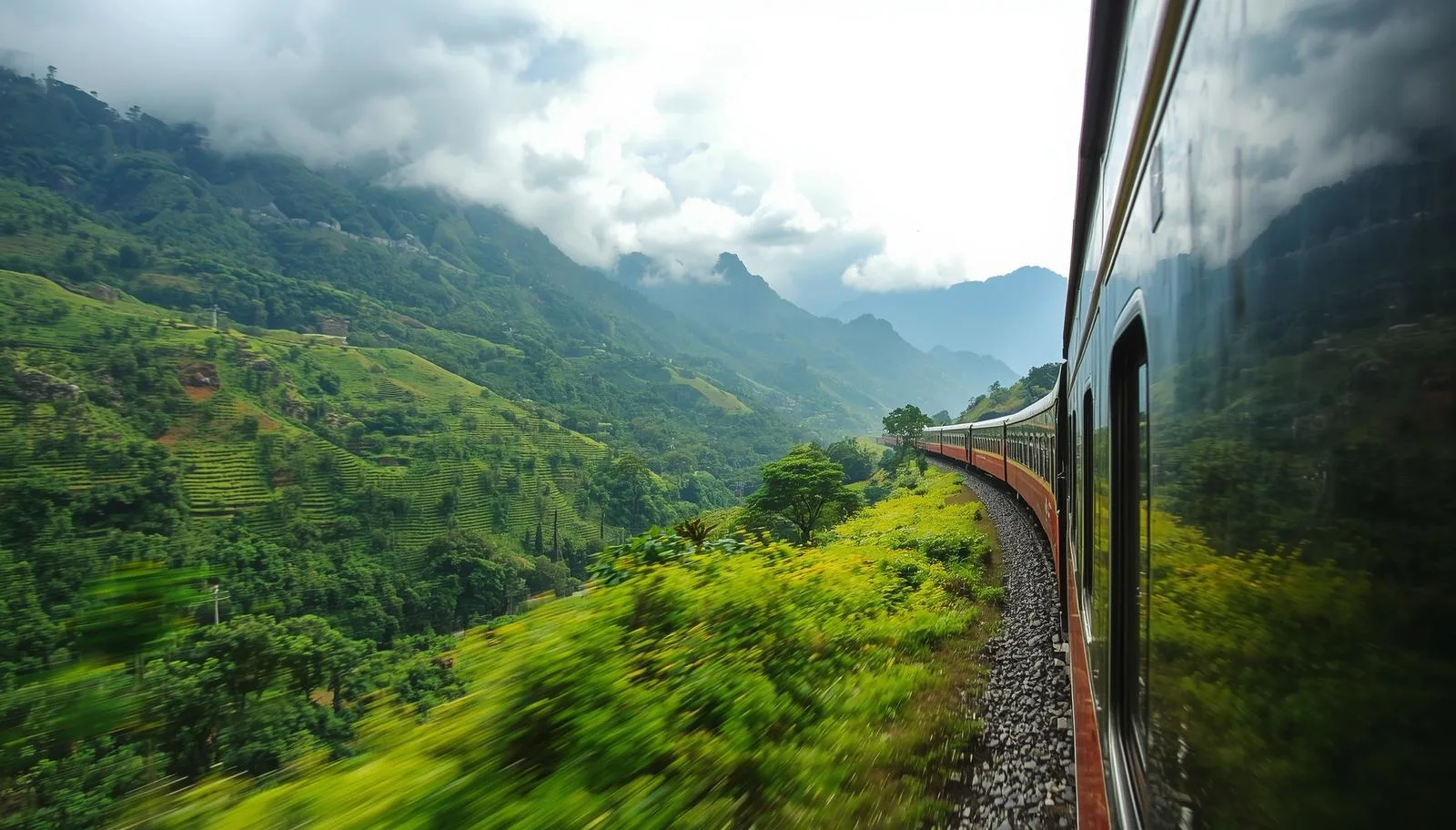
The Ananthagiri hills section, approximately midway through the journey, delivers sustained scenic quality as the train climbs through coffee plantation country. The neat rows of coffee plants covering hillsides, the mist that frequently hangs in valleys during morning hours, and the hairpin curves that reveal new perspectives create extended viewing pleasure rather than isolated moment highlights.
The climb from lowland to plateau generates its own interest as vegetation types shift and temperature drops noticeably even inside the climate-controlled coach. Passengers often comment on the visible environmental transition from tropical to temperate-appearing landscapes within a few hours of travel.
The final approach to Araku flattens out as the train reaches the valley floor. While less dramatic than the climbing sections, this portion showcases the agricultural landscape that characterizes the valley, with fields and orchards replacing the forested slopes of the ascent.
Preparing for the journey includes charging camera batteries, clearing memory cards, and positioning yourself for quick access to windows or open vestibule areas (on regular coaches) when highlights approach. The Vistadome experience works best when passengers actively engage with passing scenery rather than treating the journey as dormant transit time between destinations.
What is the Vistadome train from Vizag to Araku Valley?
The Vistadome train is a special scenic train journey from Visakhapatnam to Araku Valley featuring large glass windows, rotating seats on some coaches, and panoramic views of tunnels, bridges, hills, and forests.
How long does the Vizag to Araku Vistadome journey take?
The train journey from Visakhapatnam to Araku Valley usually takes around 4 to 5 hours depending on the train schedule and operational conditions.
How can I book Vistadome tickets from Vizag to Araku?
You can book Vistadome train tickets through official railway booking platforms or authorized travel agents. During weekends and tourist season, early booking is highly recommended because seats sell out fast.
What can I see during the Vizag to Araku train journey?
The Vistadome route is famous for tunnels, waterfalls in rainy season, deep valleys, coffee plantations, bridges, and mountain scenery through the Eastern Ghats, making it one of the most beautiful train journeys in India.
Is the Vistadome train better than going by road to Araku Valley?
The Vistadome train is ideal for travelers who want the scenic experience, while a road trip offers flexibility to stop at places like Borra Caves and viewpoints. Many travelers choose train one way and road the other way for the best experience.
What is the best seat in the Vistadome train from Visakhapatnam to Araku Valley?
Window-side and front-facing seats are usually preferred because they offer the best panoramic views of tunnels, valleys, and hills during the journey.
When should I book Vistadome tickets for the Vizag to Araku train?
It is best to book as early as possible, especially for weekends, holidays, and tourist season, since Vistadome seats are limited and sell out quickly.
Is food available on the Vistadome train to Araku Valley?
Food availability depends on the train service and current operations. It is always smart to carry light snacks, water, and essentials for a comfortable journey.
How many tunnels are there on the Vizag to Araku train route?
The route is famous for passing through many tunnels and bridges in the Eastern Ghats, which is one of the main reasons travelers choose this train experience.
Is the Vistadome train suitable for families with children?
Yes, families often enjoy the Vistadome train because children love the tunnels, mountain views, and large glass windows that make the ride memorable.
Can I do a one-day trip from Visakhapatnam to Araku Valley by Vistadome train?
Yes, many travelers plan one-day trips, but staying overnight allows more time to explore local attractions and enjoy the valley without rushing.
What is the best season for the Vistadome train journey to Araku Valley?
Monsoon and winter are popular seasons. Monsoon brings lush greenery and waterfalls, while winter offers cool weather and clear scenic views.
Is the Vistadome train worth it compared to a normal train coach?
Yes, for travelers seeking the experience and scenery, the Vistadome coach is worth it because of its panoramic windows and tourism-focused design.
Can I combine the Vistadome train with a road trip back from Araku Valley?
Yes, this is one of the most recommended plans. Take the train up and return by road to cover attractions like Borra Caves and scenic viewpoints.
What is the easiest way to plan the Vistadome Araku trip?
Many travelers choose local planners like Araku Trip for train guidance, cab pickup, sightseeing, and hotel support so the journey feels smoother and stress-free.

All Categories
- Araku Cab Service
- Araku Coffee
- Araku Tour Packages
- Araku Tourist Places
- Araku Trip Packages
- Araku Valley for families
- Araku Valley shopping
- Araku Valley Timings
- Araku Valley Trip Cost
- Araku Weather
- Around Vizag
- Camping in Araku Valley
- Hidden Spots
- Hotel & Rooms
- Hotels & Resorts
- Stay & Food
- Tatipudi Reservoir
- Tent camping
- Transport & Safety
- Travel Guides
- Vizag Attractions
- Vizag Beachs
- Vizag Cab Services
- Vizag Travel Planning
Recent Posts
Vizag Travel FAQ
Vizag Photography Guide

Vizag Shopping Guide
Tags