Araku Coffee: From Plantations to the Coffee Museum
Araku Coffee: From Plantations to the Coffee Museum
Coffee cultivation in the Araku Valley region represents one of India’s remarkable agricultural success stories. The organic Arabica coffee grown here by tribal farming communities has achieved international recognition, competing favorably with premium coffees from established producing regions worldwide. Understanding this coffee story adds appreciation to your Araku visit, whether you explore the Coffee Museum, walk through plantations, or simply purchase beans to take home.
The journey from coffee plant to your cup involves processes that the Araku region handles distinctively, emphasizing organic cultivation, tribal community involvement, and quality-over-quantity approaches that differentiate this coffee from commodity-grade alternatives.
The Rise of Organic Tribal Coffee in Araku
Coffee cultivation began in the Araku region during the British colonial period, though it remained relatively small-scale for decades. The transformation into a quality-focused organic industry occurred more recently, driven by development initiatives that recognized coffee’s potential to improve tribal community livelihoods.
Tribal farmers throughout the Ananthagiri hills and Araku hills now cultivate coffee across thousands of hectares, working plots ranging from small family holdings to larger cooperative operations. The elevation, climate, and soil conditions create favorable growing environments that coffee plants respond to with high-quality bean production. To experience this unique climate firsthand, it helps to understand the best time to visit Araku or look into the specific Araku valley weather in December when the harvest is in full swing.
The organic certification that Araku coffee carries reflects cultivation practices that avoid synthetic fertilizers and pesticides. Tribal farming traditions, which never embraced chemical agriculture intensively, actually facilitated this transition. Shade-grown under forest canopy, the coffee plants receive natural pest management from diverse ecosystems rather than chemical interventions.
Marketing Araku coffee internationally required establishing quality credentials that premium buyers recognize. The GI (Geographical Indication) tag that Araku coffee received acknowledges its unique regional characteristics. This recognition parallels designations that protect champagne, darjeeling tea, and other origin-specific products. If you are planning an extensive trip to explore these highland plantations, checking a comprehensive places to visit in Araku Valley itinerary can help you map out your route perfectly.
The economic impact on tribal communities has been substantial. Coffee cultivation provides reliable income through established purchasing systems, with premium organic pricing exceeding what conventional coffee commands. Cooperatives organize smallholder farmers, providing market access that individual producers could not achieve independently.
What’s Inside the Coffee Museum?
The Coffee Museum provides educational context about the coffee industry that transformed this region. Located conveniently in Araku town, the museum suits visitors seeking understanding beyond simple sightseeing. It makes for an excellent stop during a comprehensive Araku Valley 1-day tour package.
Displays trace coffee history from its origins to its establishment in India and specifically in the Araku region. The journey of coffee from Ethiopian highlands through Arabian cultivation to global spread provides broader context for local practices. For a deeper look into the cultural heritage of the local communities alongside the coffee history, you can also plan a stop using our Araku Tribal Museum guide.
The cultivation process receives detailed attention through exhibits showing different stages of coffee plant growth, from seedling through mature plant and harvest. Understanding what a coffee cherry looks like, how it develops, and what happens after picking clarifies processes that most coffee consumers never contemplate.
Processing equipment demonstrates the steps that transform harvested cherries into ready-to-roast beans. Pulping machines that remove fruit flesh, fermentation tank explanations, drying bed displays, and sorting equipment show the post-harvest workflow. Some of this equipment may be historic; other pieces represent current practices.
Roasting and brewing sections connect raw bean handling to the coffee that consumers actually drink. Different roast levels, grinding approaches, and preparation methods all affect what ends up in your cup. Tasting stations at some points allow visitors to experience coffee quality directly.
Museum hours typically align with standard attraction timing, around 9:00 AM to 5:00 PM, though confirming the Araku Valley temperature today before heading out can help you plan your walks comfortably. Entry fees remain modest, often included in combined tickets with other Araku attractions.
Buying Souvenirs: Fresh Coffee Powder and Chocolates
The museum complex typically includes retail facilities where visitors can purchase Araku coffee directly. These shops represent reliable sources for authentic products at fair prices.
- Fresh Coffee Powder: Ground from recently roasted beans, this offers the most obvious purchase option. Different roast levels and grind sizes accommodate various brewing methods. Vacuum-sealed packaging helps preserve freshness for the journey home and beyond.
- Whole Beans: This option suits travelers who prefer grinding their own coffee or who want to experience the fresh-ground process themselves. The additional freshness that whole beans provide over pre-ground options appeals to coffee enthusiasts with their own grinding equipment.
- Coffee Chocolates: These treats combine the region’s coffee with chocolate in confections that make easily transportable gifts. Various chocolate products incorporating Araku coffee flavors provide options for those who prefer eating their coffee to drinking it.
- Coffee-infused Products: The line extends to soap, cosmetics, and other items that use coffee as an ingredient. These novelty products provide souvenir options for those seeking something beyond consumable gifts.
Pricing at museum shops typically reflects fair-trade arrangements that direct meaningful portions of purchase prices to farming communities. While perhaps not the cheapest coffee available in the region, the quality assurance and direct community benefit justify the pricing.
Alternative purchase points exist at tribal museum gift shops, roadside stalls throughout the coffee-growing areas, and various town vendors. Quality and authenticity vary across these sources, making museum purchases a reliable option for visitors lacking time or inclination to evaluate alternatives. If you want a taste of other local culinary highlights while shopping, do not miss trying the famous local bamboo chicken in Araku.
Taking Photos in the Lush Green Coffee Estates
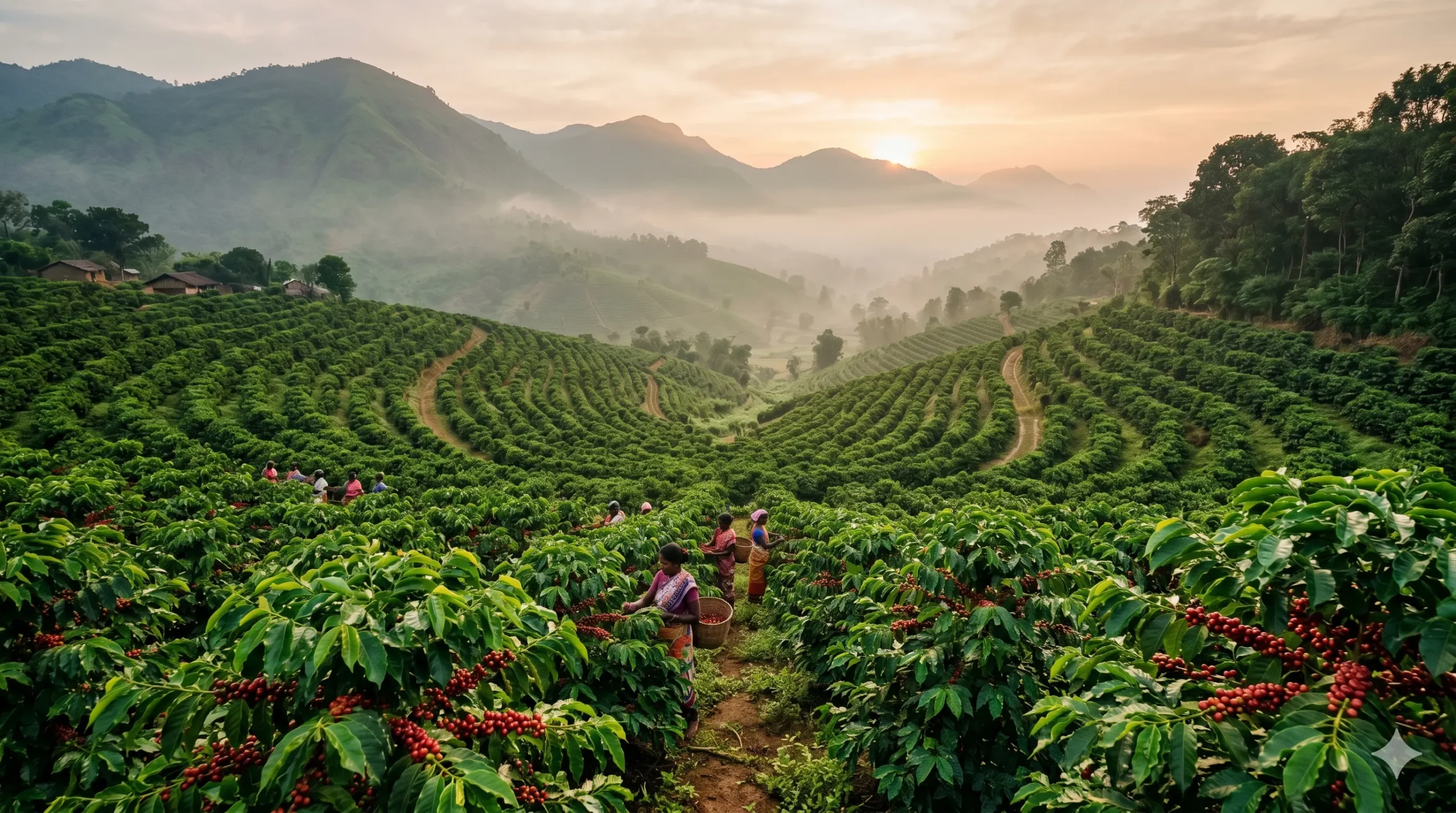
Beyond the museum, the coffee plantations themselves provide some of Araku’s most photogenic environments. Walking through orderly rows of coffee plants against backdrop hills creates images that capture the region’s agricultural character.
The Ananthagiri area along the route between Vizag and Araku passes through extensive coffee-growing zones. If you are traveling by road, you can easily review a Vizag to Araku by car guide or book a local vehicle via our Araku cab booking service to ensure your driver knows the best spots to pull over for a plantation walk.
The visual appearance of coffee plantations varies seasonally:
| Season | Visual Appearance | Photography Tip |
| Harvest Season (Nov – Jan) | Vibrant red cherries against deep green foliage. | Captures the classic, colorful agricultural look. |
| Monsoon Season (Jul – Sep) | Ultra-lush, mist-covered dense green canopy. | Great for atmospheric shots; read our Araku Valley monsoon waterfalls guide for regional transit tips. |
| Summer Season (Mar – Jun) | Bright, clear skies over uniform green bushes. | Check the Araku in summer weather guidelines and opt for early morning shoots. |
Morning light tends to favor plantation photography, with softer illumination that reveals plant details without harsh shadows. The mist that often hangs in plantation areas during winter mornings adds atmospheric effects that photographers prize—especially if you trek up nearby heights like the Vanjangi hills or make a detour toward Lambasingi before your morning coffee walk.
Permission considerations apply when entering plantation areas beyond public roadsides. Some estates welcome visitors while others restrict access. Asking permission where possible shows respect for the working agricultural environments that plantations represent.
Walking paths through plantations may be uneven, shaded, and potentially muddy during or after rain. Appropriate footwear supports comfortable exploration. Insects including mosquitoes may be present in shaded, vegetated areas.
Planning Your Coffee Tour
To fully immerse yourself in the coffee narrative, it helps to secure a comfortable base nearby. You can explore options via the Araku Valley accommodation guide, find budget-friendly stays through low price hotels in Araku Valley, or look into cozy alternatives like an Araku Valley tent stay directly inside the mist-laden hills.
The coffee plant story connects Araku’s present to its economic development, tribal community welfare, and international recognition. Visitors who engage with this narrative through museum visits, plantation walks, and thoughtful purchasing support an industry that has genuinely improved lives in this region.
For a fully organized itinerary that includes transport, stays, and curated coffee trail sightseeing, take a look at our complete Araku Valley tour travel packages.
What is special about Araku Valley coffee?
Araku Valley coffee is globally renowned because it is 100% organic Arabica coffee grown exclusively by indigenous tribal communities. Cultivated under natural forest shade in the high-elevation ecosystems of the Eastern Ghats, it features a unique, smooth flavor profile with mild acidity and rich aroma. This exceptional quality earned it an international Geographical Indication (GI) tag, placing it alongside the world’s finest origin-protected products.
Where can I learn about the history of coffee in Araku?
The best place to discover the region’s rich coffee heritage is the Coffee Museum located right in Araku town. The museum features interactive displays tracking coffee’s journey from Ethiopia to India, processing equipment demonstrations, and retail shops where you can buy fresh coffee powder and gourmet coffee chocolates. It makes for an excellent stop on a standard Araku Valley 1-day tour package.
When is the best time to visit Araku coffee plantations?
The ideal time to visit the plantations is during the winter harvest season from November to January. This is when the coffee cherries turn a brilliant crimson red against the deep green foliage, offering stunning photography opportunities. If you plan to visit during this peak period, be sure to check our comprehensive best time to visit Araku Valley
guide and look into booking your Araku Valley rooms booking early, as eco-resorts fill up quickly.
How do I visit the coffee estates from Vizag?
The most popular coffee estates line the slopes of the Ananthagiri area, situated directly along the highway between Visakhapatnam and Araku. You can easily view these lush green landscapes by booking an Araku cab booking
or by following a detailed Vizag to aquaku by car guide to find the best roadside viewpoints and designated plantation walking paths safely.
Can you recommend an itinerary that includes coffee plantation tours?
Yes! Most premium travel plans allocate a dedicated morning to plantation walking and a museum visit. To get a fully managed experience that pairs coffee trail exploration with other major regional highlights like the Borra Caves and waterfalls, you can browse through our curated Araku Valley tour travel packages
or pick a tailored multi-day option like the Araku Valley tour package 2 days.

All Categories
- Araku Cab Service
- Araku Coffee
- Araku Tour Packages
- Araku Tourist Places
- Araku Trip Packages
- Araku Valley for families
- Araku Valley shopping
- Araku Valley Timings
- Araku Valley Trip Cost
- Araku Weather
- Around Vizag
- Camping in Araku Valley
- Hidden Spots
- Hotel & Rooms
- Hotels & Resorts
- Stay & Food
- Tatipudi Reservoir
- Tent camping
- Transport & Safety
- Travel Guides
- Vizag Attractions
- Vizag Beachs
- Vizag Cab Services
- Vizag Travel Planning
Recent Posts

Vizag Travel FAQ

Vizag Photography Guide
Vizag Shopping Guide
Tags