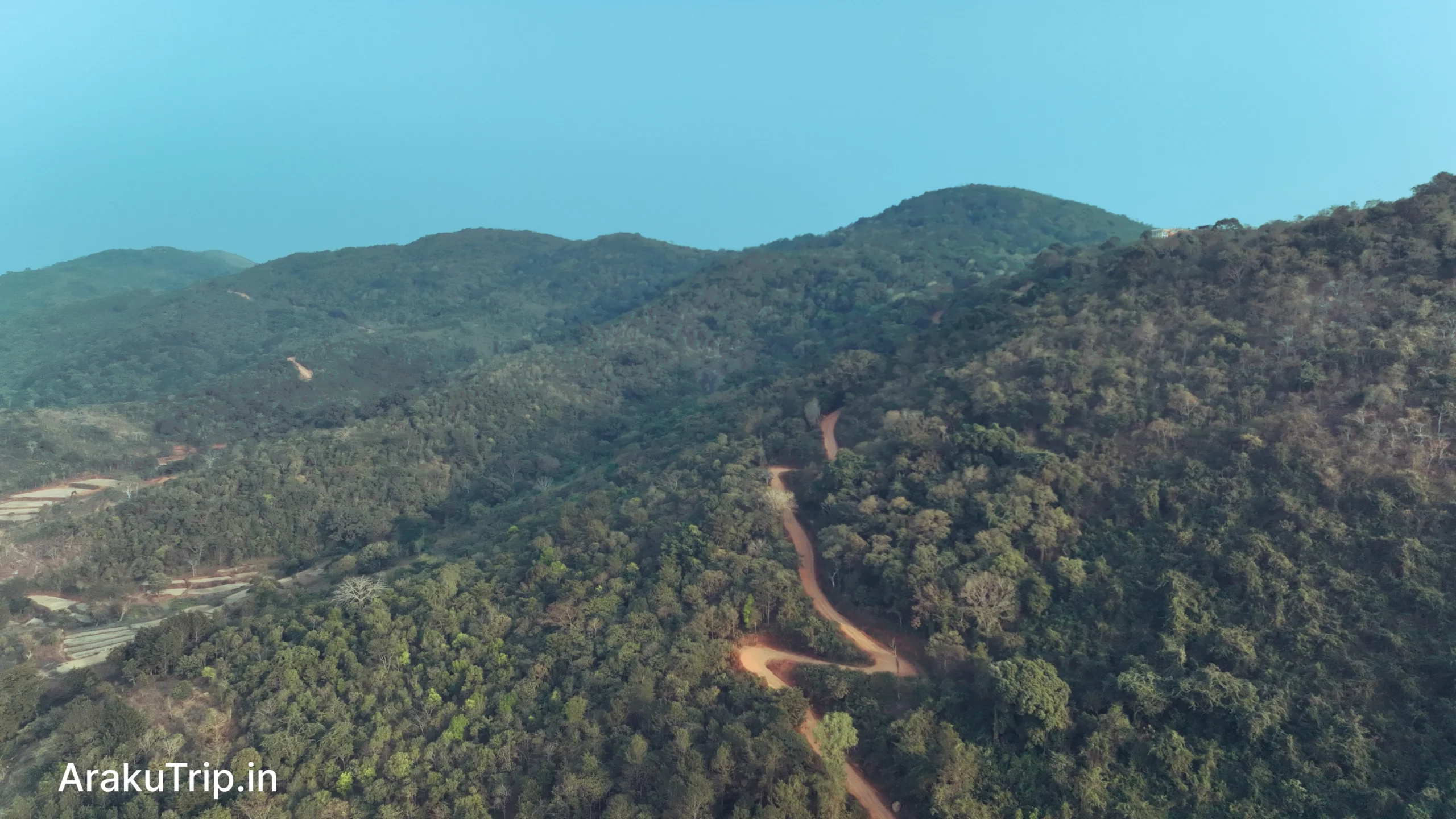
Introduction: Welcome to the Kashmir of Andhra
The first time we heard about Lambasingi, we dismissed it as exaggeration. Snow in Andhra Pradesh? Temperatures below freezing in South India? It sounded like the kind of story people tell to make their hometown seem more interesting than it is.
Then we made the trip—a dare among friends from Araku, riding our bikes 90 kilometers through the night to arrive before dawn. We stood at the viewpoint as the sky lightened, breath visible in the air, watching frost coat every surface white. Our disbelief evaporated with the morning mist.
Lambasingi Andhra Pradesh occupies a unique position in South Indian geography. This Lambasingi hill station sits in the Alluri Sitharama Raju district (formerly part of Visakhapatnam district), tucked into the Eastern Ghats at an elevation where climate rules change. The Lambasingi height reaches approximately 1,000 meters above sea level—not extreme by Himalayan standards, but sufficient for this region to experience weather that nowhere else in South India can match.
Lambasingi which district? The answer matters for trip planning: Alluri Sitharama Raju district, created in 2022 from portions of the former Visakhapatnam district. The administrative change doesn’t affect the climate. What affects the climate is geography—the elevation, the positioning of valleys that trap cold air, the distance from the moderating influence of the coast.
The nickname “Kashmir of Andhra Pradesh” isn’t marketing invention. It emerged from visitors who experienced something they thought impossible: genuine cold, white-covered landscapes, and the need for winter clothing in a state known for coastal humidity. Lambasingi earned its name through temperature, not tourism boards.
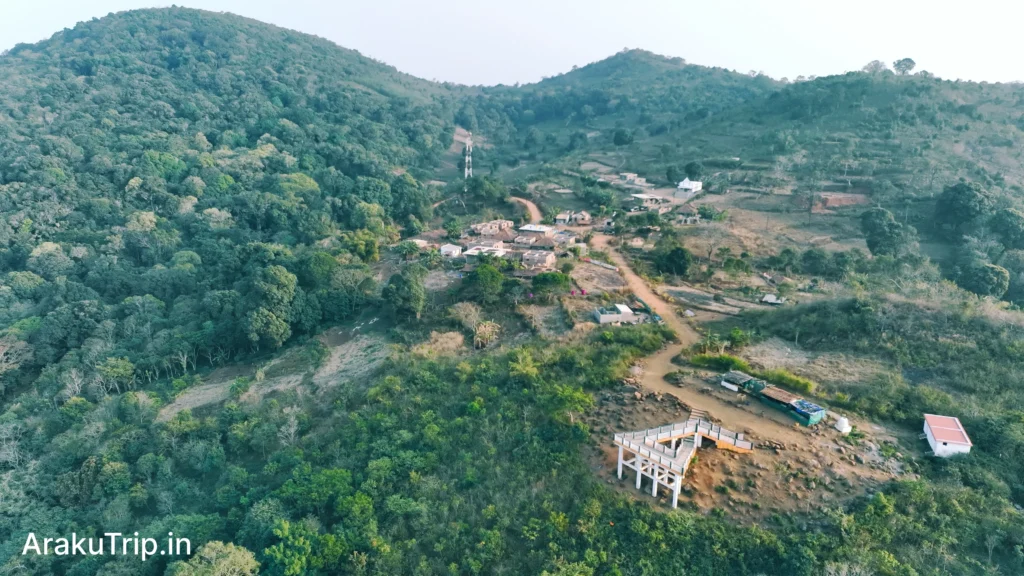
Does it Snow in Lambasingi? The Truth
The question drives more search traffic than any other: Does it snow in South India? The answer requires nuance.
The Scientific Reality:
During peak winter—late December through mid-January—Lambasingi experiences temperatures that drop to 0°C or below, occasionally reaching -2°C. At these temperatures, moisture freezes. Dew crystallizes as frost, coating grass, leaves, and every surface with a white layer resembling snow.
Is this technically snowfall? Not in the meteorological sense. Snowfall requires moisture freezing while falling from clouds. What Lambasingi experiences is frost—ground-level freezing that produces visual results nearly indistinguishable from light snow cover.
Lambasingi snowfall reflects what visitors see rather than meteorological classification. Lambasingi snowfall images show white-covered hills that could pass for Kashmir. The visual experience is real; the technical term is frost.
Does the distinction matter? Not to visitors standing at the viewpoint, breath crystallizing, watching the valley fill with white.
When to See It:
The Lambasingi snowfall time window is narrow. Frost forms overnight, remains until morning sun melts it, and disappears by mid-morning.
Lambasingi snowfall month: Late December through mid-January. The frost is most dramatic between 4:00 AM and 7:00 AM. This timing explains why experiencing Lambasingi properly requires overnight stays or 2-3 AM departures from Vizag.
Weather & Best Time to Visit
Understanding Lambasingi temperature in winter helps set realistic expectations and plan appropriate timing.
Peak Season (November – January):
This is when Lambasingi becomes the destination its nickname promises. Lambasingi weather in December brings the coldest temperatures, with nights routinely dropping below 5°C and occasionally touching zero. The Lambasingi temperature in December varies between approximately 3°C (night/early morning) and 15°C (midday).
January continues similar patterns, with the coldest conditions typically occurring in the final week of December through the second week of January. This narrow window is when frost probability peaks.
The best time to visit Lambasingi for the full “Kashmir” experience is mid-December to mid-January, arriving before dawn to witness frost and staying through morning for the dramatic clearing as sun warms the valley.
Shoulder Season (October & February):
Temperatures remain noticeably cooler than coastal areas, typically 8-15°C at night. Morning mist fills the valleys, creating atmospheric conditions without the extreme cold. Crowds are smaller, accommodation easier to secure, but the frost that defines peak season is absent.
Off-Peak (March – September):
Lambasingi remains pleasantly cool compared to Vizag’s summer heat, but the dramatic temperature drops don’t occur. Summer visitors find a quiet hill station with good weather for trekking and sightseeing, but without the unique cold-weather experience that draws winter crowds.
Before You Go:
Check current temperature in Lambasingi using weather apps or our live updates before departing. Conditions vary within the winter season—some December weeks bring frost daily, others see temperatures stay above freezing. Real-time information prevents wasted early-morning drives to find ordinary weather.
Where to Stay: Lambasingi Resorts & Hotels
Accommodation at Lambasingi presents a fundamental challenge: demand dramatically exceeds supply, especially during peak winter months.
The Scarcity Reality:
Lambasingi resorts and hotels are genuinely limited. The area developed as a tourist destination only recently, and infrastructure hasn’t kept pace with interest. The handful of properties that exist book out weeks in advance during December-January. Visitors who arrive hoping to find rooms on the spot during peak season frequently sleep in their cars or drive to distant towns for accommodation.
Lambasingi accommodation requires advance planning. This isn’t marketing pressure—it’s practical reality in a destination with perhaps 50-100 total rooms serving thousands of weekly visitors during peak season.
1. Haritha Resort Lambasingi (APTDC):
The government-operated Lambasingi Haritha Resort is the most established and reliable option. APTDC (Andhra Pradesh Tourism Development Corporation) maintains the property with AC and Non-AC cottage options.
The location offers valley views and proximity to the main viewpoint. Amenities are basic but functional—clean rooms, hot water (critical in winter), and in-house dining. The Lambasingi Haritha Resort books through APTDC’s official channels, but availability during peak season disappears fast.
Lambasingi resorts price at Haritha ranges from approximately ₹1,500 to ₹3,500 per night depending on room category and season. Peak winter commands premium rates and requires booking 2-3 weeks minimum in advance.
2. Private Resorts & Cottages:
Several private properties have emerged to serve growing demand. Lambasingi cottages operated by local entrepreneurs offer alternatives when Haritha fills up. These range from basic rooms to valley-view cottages with varying amenity levels.
Quality varies more than with government properties. Some private Lambasingi resorts match or exceed Haritha standards; others are essentially guesthouses charging resort prices. Research specific properties before booking, or work with agents who have verified quality firsthand.
3. Tent Stays & Camping:
For adventure travelers—particularly groups of friends—camping offers an alternative to the accommodation crunch. Several operators provide tent stays with sleeping bags and campfire arrangements.
The experience is memorable: sleeping under stars at 1,000 meters elevation, waking to frost on your tent. The reality requires appropriate expectations—basic facilities, genuine cold exposure, and comfort levels below hotel stays. Popular with younger travelers willing to trade comfort for experience and cost savings.
Our Recommendation:
Don’t struggle with sold-out dates and uncertain quality. We maintain blocked inventory for Lambasingi rooms booking at verified properties. Tell us your dates; we’ll confirm availability and quality rather than leaving you searching through unreliable online listings.
Places to Visit in Lambasingi (Sightseeing)
Beyond the frost that draws peak-season visitors, Lambasingi places to visit offer activities that justify the journey regardless of weather.
Cloud View Point:
The primary attraction and the location where frost photographs originate. The viewpoint sits above the valley, positioned where you look down onto cloud cover rather than up at it. During ideal conditions, clouds fill the valley below while you stand in clear air above—the “sea of clouds” effect that earns comparison to Himalayan destinations.
Things to do in Lambasingi start here: reach the Lambasingi view point before sunrise. The 4-5 AM arrival time feels extreme until you watch the valley transform as light changes. Frost on every surface, clouds below your feet, temperatures cold enough to make your fingers stiff—this is the experience people travel for.
Strawberry Farms:
Winter months bring strawberry season to the highlands. Local farmers near Lambasingi cultivate strawberries that the cool climate supports. During December and January, fresh strawberry picking becomes possible—walk through rows, select your own berries, purchase directly from growers.
The activity combines well with post-sunrise timing. After the frost melts and the viewpoint crowds thin, strawberry farms offer something to do before departing. The berries are seasonal and local—not the year-round commercial varieties available in city supermarkets.
Kothapalli Waterfalls:
The nearest major waterfall to Lambasingi, located approximately 28-30 km away. Kothapalli makes an excellent afternoon activity following morning frost-viewing. The multi-tiered falls offer swimming pools, concrete-step access, and tribal food stalls. See our dedicated Kothapalli guide for complete details.
Thajangi Reservoir:
A scenic dam and reservoir (sometimes called Lambasingi dam) located near the main town. The water body offers peaceful views and photography opportunities, particularly attractive during morning and evening light. Less crowded than the main viewpoint, Thajangi provides quieter alternatives for visitors seeking solitude.
Distance & How to Reach (The Logistics)
Lambasingi’s isolation protects its character but complicates access.
From Vizag:
The Visakhapatnam to Lambasingi distance is approximately 100 km, requiring 3 hours of driving through winding ghat roads.
Vizag to Lambasingi bus services exist but are crowded, and schedules don’t align with optimal viewing times. For the winter frost experience, private cabs make practical sense.
Day trip approach: depart Vizag at 2-3 AM, arrive Lambasingi before 6 AM, witness frost and sunrise, explore through morning, return by afternoon.
From Araku:
The Araku to Lambasingi distance is approximately 85-90 km via Paderu, requiring 2.5-3 hours driving. The Araku Valley to Lambasingi distance creates a natural two-destination itinerary: Araku one night, Lambasingi the next morning.
From Hyderabad:
The Hyderabad to Lambasingi distance exceeds 600 km. Recommended approach: overnight train to Visakhapatnam, then cab to Lambasingi.
Nearest Railway Station:
The Lambasingi nearest railway station is Anakapalle (70 km), but Visakhapatnam station offers far better connectivity. No direct Vizag to Lambasingi train exists—all visitors complete the final leg by road.
Lambasingi Tour Packages
The logistics complexity of reaching Lambasingi at optimal times makes organized packages genuinely valuable rather than mere convenience purchases.
The Popular Combination: Araku + Lambasingi
The most requested Lambasingi tour package combines both destinations:
Day 1: Vizag → Araku Valley (sightseeing: Borra Caves, viewpoints, coffee plantations) → overnight in Araku Day 2: Early departure from Araku → Lambasingi (frost viewing, strawberry farms, Kothapalli Waterfalls) → return to Vizag
This Araku to Lambasingi tour package covers both hill station experiences without the exhaustion of single-day coverage. You experience Araku’s attractions at leisure, stay overnight at comfortable Araku hotels, then depart early for Lambasingi while the destination is still accessible from Araku’s proximity.
The Day Trip: Cloud Chaser
For visitors with limited time or budget, the day trip from Vizag works if you accept the schedule:
- 3:00 AM: Depart Vizag by cab
- 5:30 AM: Arrive Lambasingi viewpoint
- 6:00-8:00 AM: Frost viewing, sunrise, photography
- 8:00 AM-12:00 PM: Strawberry farms, Kothapalli Waterfalls
- 3:00 PM: Return arrival in Vizag
The schedule is demanding but functional. You experience Lambasingi’s signature offering without accommodation logistics or multiple-day commitment.
What Our Packages Include:
- Cab transport with drivers who know the routes and timing
- Accommodation booking at verified properties (for overnight packages)
- Itinerary coordination that maximizes frost-viewing probability
- Flexibility for weather-dependent activities
This guide is maintained by arakutrip.in—locals who cycled to Lambasingi as teenagers and now help visitors experience the frost that still amazes us every winter.
Is Lambasingi the only place in South India where it snows?
Yes, Lambasingi is widely regarded as the only place in South India where it snows—though scientifically, it’s dense frost caused by near-zero temperatures rather than snowfall from clouds. The frozen moisture creates a white blanket effect visually indistinguishable from light snow cover, making Lambasingi unique among South Indian destinations.
What is the Araku to Lambasingi distance?
The Araku to Lambasingi distance is approximately 90 km via Paderu, requiring 2.5-3 hours of driving through scenic forested ghat roads. The route descends from Araku, passes through Paderu town, and climbs to Lambasingi.
When is the best time to see snowfall in Lambasingi?
The Lambasingi snowfall time is typically late December to mid-January. To witness the frost effect, you must reach the viewpoint between 4:00 AM and 6:30 AM, before morning sun melts the frozen layer. Arriving after 9 AM means missing the phenomenon entirely.
Are there trains from Vizag to Lambasingi?
No direct Vizag to Lambasingi train exists. The Lambasingi nearest railway station is Anakapalle (70 km away) or Narsipatnam Road, but Visakhapatnam station offers better connectivity. All visitors must complete the final journey by road via bus or cab.
What is the Hyderabad to Lambasingi distance?
The Hyderabad to Lambasingi distance is approximately 600+ km. Most visitors take overnight trains to Visakhapatnam or Anakapalle, then hire cabs for the final 100 km journey to Lambasingi.
Can we find good hotels in Lambasingi?
Hotels in Lambasingi are limited. Haritha Resort (APTDC) and a few private Lambasingi cottages are the primary options. Due to extreme demand during winter, Lambasingi rooms booking should be completed 2-3 weeks in advance through agents with confirmed inventory.
Does it snow in Vizag?
No, it does not snow in Vizag city. The coastal location keeps temperatures mild year-round. Snowfall in Vizag queries actually refer to Lambasingi, the hill station located 100 km inland where frost creates snow-like conditions.
What is the distance between Lambasingi and Maredumilli?
The Lambasingi to Maredumilli distance is approximately 130 km via the Chintapalli route. Many adventure travelers combine both destinations into a “Jungle & Hill” road trip covering the Eastern Ghats’ diverse landscapes.