Araku Valley Temperature Today: How to Plan Your Outing
Araku Valley Temperature Today: How to Plan Your Outing
Araku Valley Temperature Today Planning daily activities in Araku Valley benefits from understanding how temperature patterns unfold throughout the day. The significant temperature variation between early morning, midday, and evening hours means that timing activities strategically improves both comfort and experience quality. Knowing what to expect from current conditions helps visitors make informed decisions about when to visit which attractions.
While real-time temperature readings require checking weather services at the moment of inquiry, understanding the patterns that typically govern Araku’s daily temperature cycle provides a framework for planning that remains valid across most conditions.
Understanding the Daily Temperature Cycle in the Valley
Araku Valley experiences pronounced daily temperature swings that exceed what visitors accustomed to coastal or plains environments might expect. The elevation creates conditions where temperatures vary significantly between the coldest and warmest hours.
Pre-dawn and early morning hours deliver the coolest temperatures regardless of season. Between approximately 5:00 AM and 8:00 AM, the valley reaches its daily minimum, with conditions that may feel genuinely cold during winter or pleasantly cool during summer. This window suits activities requiring physical exertion since body heat generated compensates for ambient chill.
Mid-morning through early afternoon spans the warming phase as solar energy heats the valley floor and surrounding slopes. Temperatures climb steadily, typically reaching daily maximums between 1:00 PM and 3:00 PM. This pattern makes late morning an increasingly warm period as the day progresses toward its peak.
Late afternoon begins the cooling transition as the sun angle decreases and shadows lengthen. Temperatures begin declining from their daily peak, though the rate varies with cloud cover and wind conditions. By 5:00 PM, conditions typically feel noticeably cooler than two hours earlier.
Evening and night hours progressively cool toward the next morning’s minimum. The absence of direct sunlight allows accumulated heat to dissipate, with temperatures dropping steadily through dinner hours and beyond. Clear nights cool faster than cloudy ones as heat radiates to the sky unimpeded.
How Climate Affects Sightseeing at Borra Caves and Falls
Temperature patterns influence which attractions perform best at different times, helping visitors sequence their itinerary for optimal experience.
Borra Caves maintain stable internal temperatures that ignore external conditions entirely. The cave interior stays around 20-22 degrees Celsius regardless of whether the outside reads 8 degrees or 35 degrees. This characteristic makes caves timing-flexible from a temperature perspective, though crowd patterns may still favor certain hours.
During hot days, scheduling Borra Caves for afternoon hours takes advantage of natural cave cooling when external conditions feel least comfortable. During cold mornings, some visitors prefer delaying cave visits until warmer midday hours when the stable cave temperature feels less jarring against a warmed body.
Waterfall visits respond to temperature differently since water temperature affects the experience substantially. During cold mornings, waterfall pools may feel too chilly for comfortable wading or swimming. Midday warming improves water comfort, making late morning through mid-afternoon optimal for water activities at places like Chaparai.
Viewpoints like Galikonda benefit from early morning visits not merely for mist conditions but also for comfortable temperatures during what may involve outdoor waiting and exposure. Standing at an elevated viewpoint feels more pleasant at 15 degrees than 30 degrees.
Morning vs. Evening Outings: Which is Better?
Both morning and evening windows offer temperature relief during warmer seasons, but they differ in character and practical considerations. Choosing between them depends on personal preference and specific attraction priorities.
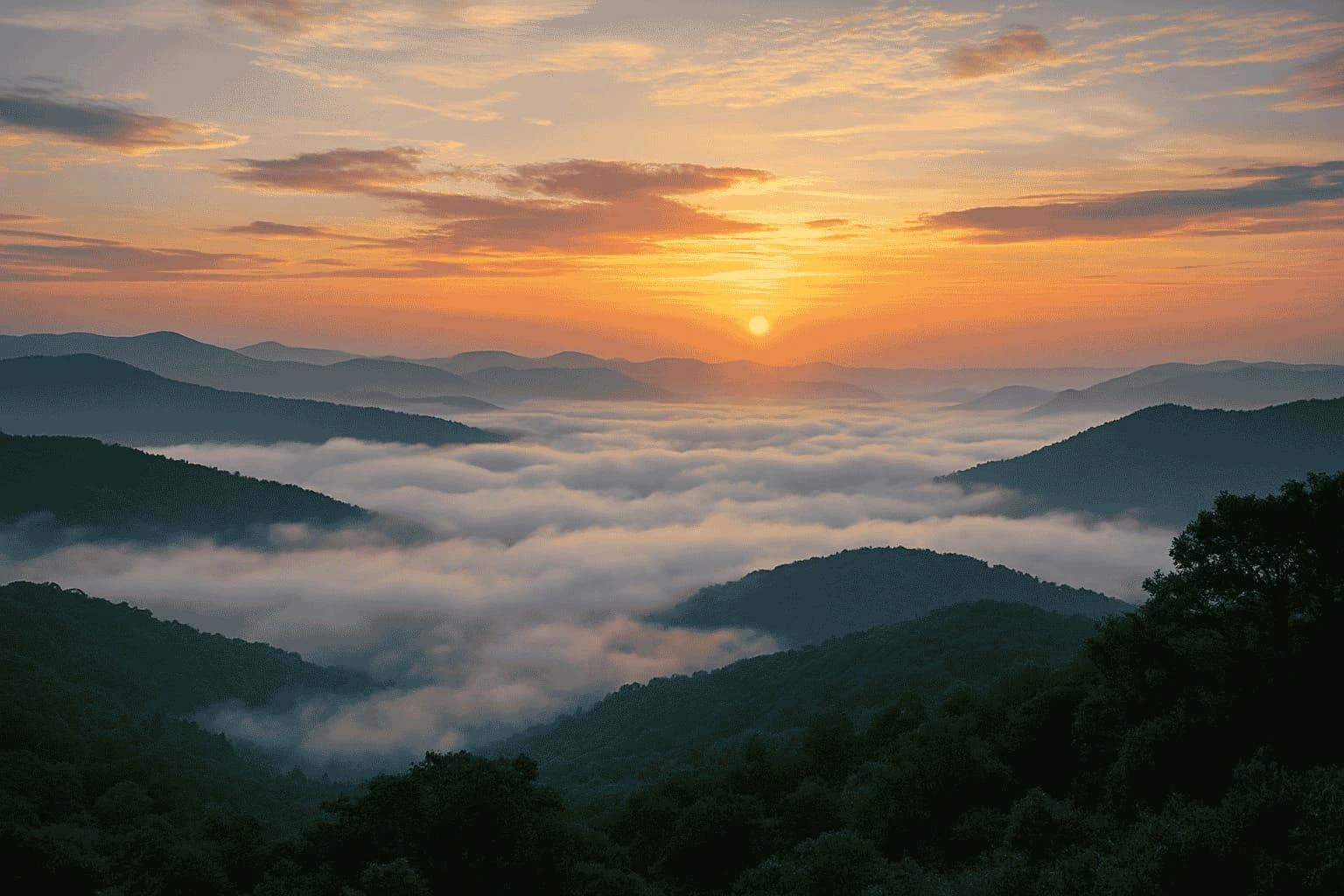
Morning outings suit attractions requiring travel time since roads operate more safely in daylight and destinations open with operating hours beginning. The mist and fog conditions that make Araku famous occur during mornings, making this window essential for atmospheric photography. Energy levels typically run higher in mornings after rest, supporting active exploration.
The main morning limitation involves cold temperatures that some travelers find uncomfortable. Those who dislike cold may prefer waiting until late morning when warming has progressed but heat has not yet peaked.
Evening outings offer comfortable temperatures as afternoon heat dissipates. The golden hour lighting that photographers prize creates atmospheric conditions different from but equally appealing as morning mist. Sunsets from elevated viewpoints provide dramatic conclusions to sightseeing days.
Evening limitations include reduced visibility as light fades, attractions closing before sunset, and road travel through unfamiliar ghat sections as darkness approaches. Planning return transport before light fails entirely ensures safe navigation.
For single-day visitors trying to maximize attraction coverage, splitting the day works effectively. Morning activities during cool hours, midday rest or indoor attractions during heat peaks, and evening activities as temperatures moderate again creates a comfortable rhythm that spans the full day.
Using Weather Apps for Accurate Local Forecasts
Modern weather applications provide Araku-specific forecasts that help planning beyond general patterns. Understanding how to access and interpret this information improves trip preparation.
Standard weather apps like AccuWeather, Weather.com, and the built-in smartphone weather functions include Araku Valley in their coverage. Searching for “Araku” or entering the location coordinates pulls forecasts specific to the valley rather than nearby larger cities. Vizag forecasts do not accurately represent Araku conditions given the significant elevation difference.
Hourly forecasts prove more useful than daily summaries for activity planning. A daily forecast showing “25 degrees” obscures the reality that morning lows may touch 12 degrees while afternoon peaks reach 28 degrees. Hourly breakdowns reveal these variations, supporting precise timing decisions.
Forecast accuracy decreases with time distance. Predictions for the current day and tomorrow typically perform reasonably well. Forecasts beyond three days become increasingly speculative as weather models struggle with local terrain effects that Araku’s elevation creates.
Real-time temperature readings from weather stations in or near Araku provide current conditions rather than predictions. Checking actual readings on the morning of your outing confirms whether conditions match forecasts and supports last-minute adjustments.
Fog and mist predictions remain challenging for standard weather apps since these conditions depend on highly localized factors including humidity, temperature differentials, and terrain that general models poorly capture. Experienced visitors learn to read conditions personally rather than relying entirely on app predictions for mist-related planning.
The combination of understanding typical daily patterns, monitoring forecast services, and remaining flexible to actual conditions on arrival allows visitors to plan Araku outings that work with weather rather than fighting against it. Temperature today matters for today’s activities; understanding patterns matters for effective trip planning.
What is the Araku Valley temperature today?
Araku Valley temperatures usually vary by season. Mornings and evenings stay cooler than plains, while afternoons can become warm during summer.
Is Araku Valley cooler than Visakhapatnam today?
Yes, Araku Valley is generally cooler than Visakhapatnam because of its hill station elevation and forest surroundings.
What is the best time to go out in Araku Valley today?
Early morning from 6 AM to 10 AM and evening from 4 PM to sunset are the best times for sightseeing.
Can I visit Chaparai waterfalls based on today’s temperature?
Yes, if weather is pleasant. During hot afternoons, morning visits are better for comfort.
Is Araku Valley cold at night today?
Night temperatures are often cooler than daytime, especially in winter and monsoon months.
What clothes should I wear in Araku Valley today?
Wear light cotton clothes during warm days and carry a light jacket for evenings.
Is today’s temperature good for coffee plantation visits?
Yes, moderate weather makes coffee plantation walks enjoyable.
Does Araku Valley temperature change suddenly?
Yes, hill weather can shift quickly, especially during monsoon or cloudy days.
Is Araku Valley hot during April and May?
Afternoons may feel warm, but mornings and evenings are still better than many city areas.
Can I travel by train to Araku today comfortably?
Yes, train travel is one of the best ways to enjoy Araku weather and scenic valley views.
Is today good for camping in Araku Valley?
If there is no rain and temperatures are moderate, camping is a great option.
How does monsoon affect Araku Valley temperature?
Rainfall usually cools the valley and makes it greener and fresher.
Is Araku Valley temperature suitable for family trips today?
Yes, Araku is family-friendly in most seasons with proper timing and hydration.
What is the best month for pleasant Araku Valley temperatures?
October to February is generally considered the most pleasant season.
Should I carry sunscreen in Araku Valley today?
Yes, even hill stations can have strong sunlight during midday. Use sunscreen and stay hydrated.

All Categories
- Araku Cab Service
- Araku Coffee
- Araku Tour Packages
- Araku Tourist Places
- Araku Trip Packages
- Araku Valley for families
- Araku Valley shopping
- Araku Valley Timings
- Araku Valley Trip Cost
- Araku Weather
- Around Vizag
- Camping in Araku Valley
- Hidden Spots
- Hotel & Rooms
- Hotels & Resorts
- Stay & Food
- Tatipudi Reservoir
- Tent camping
- Transport & Safety
- Travel Guides
- Vizag Attractions
- Vizag Beachs
- Vizag Cab Services
- Vizag Travel Planning
Recent Posts

Vizag Travel FAQ

Vizag Photography Guide

Vizag Shopping Guide
Tags