
Araku Tribal Museum: A Journey into Indigenous Culture
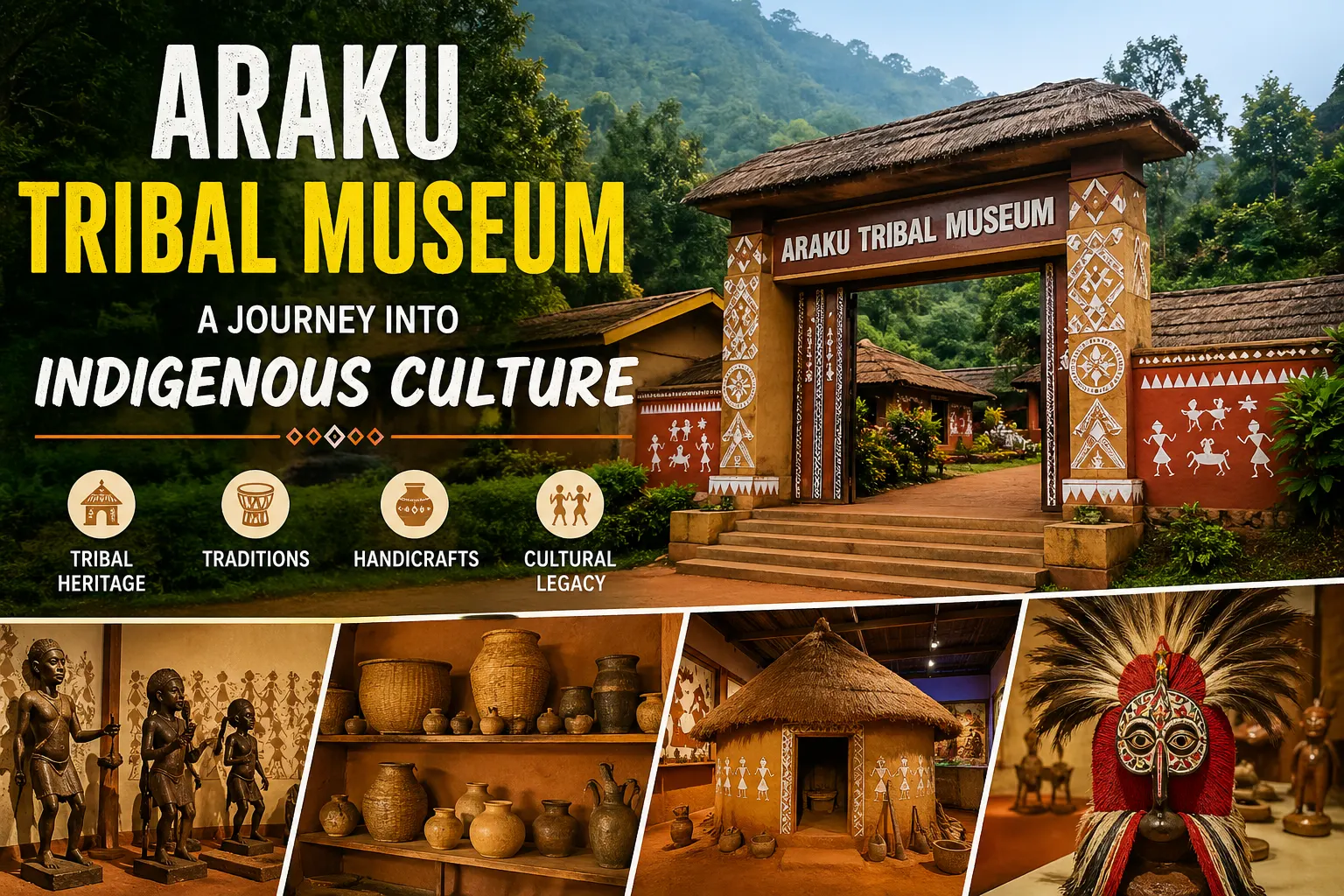
Araku Tribal Museum: A Journey into Indigenous Culture
The Araku Tribal Museum stands as one of the most educational stops in the valley, offering visitors insight into the indigenous communities that have inhabited the Eastern Ghats for generations. While natural attractions like caves and waterfalls draw most visitors to Araku, the tribal museum provides cultural depth that transforms a sightseeing trip into a learning experience.
Located in Araku town center, the museum makes an accessible stop requiring no special transportation arrangements. For travelers interested in understanding the human heritage of this region alongside its natural beauty, the tribal museum delivers context unavailable at scenic attractions.
Exploring the Vibrant Heritage of the Eastern Ghats
The Eastern Ghats surrounding Araku Valley have supported tribal communities for centuries, with cultures that developed in relative isolation from plains populations. These indigenous groups developed distinct lifestyles, crafts, beliefs, and social structures adapted to the forest environment they called home.
The museum documents several tribal communities including the Konda Doras, Valmikis, Bagatas, and others who continue living in villages scattered throughout the hills. Each group maintains distinct traditions while sharing common adaptations to the challenging terrain and climate of the Ghats.
The historical context presented in the museum extends beyond the tribes themselves to their interactions with the broader world. British colonial documentation, integration into the modern Indian state, and contemporary challenges facing indigenous communities all receive attention.
Understanding this heritage enriches appreciation of the landscapes visitors see throughout their Araku trip. The forests, the agricultural practices, the settlements visible from viewpoints, all connect to the living culture the museum presents rather than merely serving as scenic backdrop.
Key Exhibits: Utensils, Jewellery, and Tools
The museum’s collection spans material culture that illuminates daily life among tribal communities. These physical objects communicate cultural information more directly than text descriptions could achieve.
Household utensils demonstrate the ingenuity required when communities relied on locally available materials for all needs. Bamboo, wood, clay, and plant fibers transformed into functional objects through techniques passed across generations. The craftsmanship evident in everyday items reveals the skill levels that traditional societies maintained.
Jewellery and adornment items show aesthetic priorities and identity markers that tribes used to distinguish themselves. Beadwork, metalwork, and natural material ornaments carry meanings beyond mere decoration, indicating social status, community affiliation, and ceremonial significance.
Agricultural and hunting tools display adaptations to the specific environment the tribes inhabited. Implements designed for steep terrain cultivation, forest gathering, and hunting techniques suited to local animal populations reflect deep environmental knowledge accumulated over generations.
Musical instruments and ceremonial objects present aspects of cultural life beyond material survival. Drums, flutes, and other instruments suggest the musical traditions that accompanied festivals and rituals. Ceremonial items hint at spiritual beliefs and practices that gave meaning to community life.
The arrangement of exhibits guides visitors through themes logically, though self-paced exploration also works well. Descriptive labels in multiple languages provide context for objects that might otherwise seem merely curious rather than culturally significant.
Watching the Traditional Dhimsa Dance
Beyond static exhibits, the museum complex sometimes offers live cultural performances that bring tribal traditions to active demonstration. The Dhimsa dance represents one of the most distinctive performing arts traditions of the region’s indigenous communities.
Dhimsa involves group dancing in circular formations, accompanied by percussion instruments and vocal elements. The movements follow patterns passed through generations, with variations marking different occasions and communities. The visual spectacle of coordinated traditional dress and rhythmic motion creates engaging performances.
Performance schedules vary, and live demonstrations may not occur during every visitor’s trip. Inquiring at the museum entrance about performance timing helps visitors who particularly want to witness Dhimsa. When performances do occur, they typically happen in designated outdoor or covered areas within the museum complex.
Even when live performances aren’t available, video presentations sometimes substitute, showing recorded Dhimsa performances that give visitors some sense of the art form. These recordings cannot replicate live experience but provide better than nothing when scheduling doesn’t align.
The tribal communities themselves continue practicing Dhimsa and other traditional arts in their village contexts. Visitors fortunate enough to coincide with village festivals may witness authentic performances outside the museum’s curated presentation. However, such timing requires either luck or specific planning around known festival dates.
Visiting the Handicrafts and Art Centre
Adjacent to or near the museum, handicraft facilities provide opportunities to see traditional crafts in active production and purchase authentic tribal artwork. These centers serve multiple purposes: preserving traditional skills, providing income for tribal artisans, and offering visitors meaningful souvenirs.
Bamboo craft represents one of the most visible tribal specialties in the Araku region. Artisans transform this locally abundant material into functional items, decorative pieces, and practical household goods. Watching the weaving and construction processes reveals the skill involved in what casual observation might underestimate.
Terracotta and pottery traditions continue in some communities, with distinctive forms and decorations that reflect local aesthetic sensibilities. Unlike mass-produced souvenirs available throughout tourist India, these pieces connect directly to living cultural traditions.
Textile work including weaving appears at some craft centers, though this tradition varies in strength across different communities. Where textile demonstrations occur, the labor-intensive processes involved become apparent.
Purchasing from these centers directs money toward artisan communities rather than intermediary vendors. While prices may not undercut mass-market alternatives, the authenticity and cultural support justify modest premiums. Items purchased here carry stories that factory goods cannot match.
The tribal museum typically operates from 10:00 AM to 5:00 PM with potential variations for lunch breaks or seasonal adjustments. Entry fees remain nominal, usually under ₹50 for adults with additional camera charges possible. The museum closes on certain public holidays, so confirming operating status before arrival prevents wasted trips.
Planning approximately one to one and a half hours for thorough museum exploration allows adequate time for exhibits without rushing. Visitors with particular interest in anthropology or indigenous cultures may find longer visits rewarding, while those primarily seeking quick cultural context can complete faster visits.
The Araku Tribal Museum provides perspective that purely scenic attractions cannot deliver. Understanding who has lived in these hills, how they lived, and what challenges they face today adds human dimension to natural beauty. For thoughtful travelers, the museum ranks among Araku’s essential stops.
What is the Araku Tribal Museum famous for?
The Araku Tribal Museum is famous for showcasing the rich lifestyle, traditions, handicrafts, farming tools, dance forms, and daily life of the tribal communities living in and around Araku Valley.
Where is the Tribal Museum located in Araku Valley?
The Tribal Museum is located in the main tourist area of Araku Valley, making it easy for visitors to include in their local sightseeing plan.
Why should tourists visit the Araku Tribal Museum?
Tourists should visit to understand the authentic indigenous culture of the Eastern Ghats region, see tribal art, and experience a deeper side of Araku Valley beyond scenic views.
What can you see inside the Araku Tribal Museum?
Inside the museum, you can explore tribal huts, handmade jewelry, musical instruments, hunting tools, pottery, masks, sculptures, and cultural exhibits representing local tribes.
Is the Araku Tribal Museum good for families and kids?
Yes, it is an educational and family-friendly attraction where children can learn about history, tribal lifestyles, and traditional culture in an engaging way.
How much time is needed to visit the Tribal Museum in Araku?
Most visitors spend around 30 minutes to 1 hour exploring the museum comfortably.
What is the best time to visit Araku Tribal Museum?
The best time is during morning or evening while visiting Araku Valley, especially in cooler months from October to February.
Is photography allowed inside the Araku Tribal Museum?
Photography rules may vary by section. It is best to check at the entrance before taking photos inside the museum.
What makes Araku Tribal Museum unique compared to other museums?
Unlike regular museums, this place focuses on living tribal heritage, natural lifestyle displays, and local traditions specific to the Araku region.
Can I buy tribal handicrafts near the museum?
Yes, nearby shops often sell bamboo crafts, tribal art items, handmade jewelry, coffee, and local souvenirs.
Is the Tribal Museum worth visiting during a one-day Araku trip?
Yes, it is one of the top short-stop attractions for one-day travelers who want culture, history, and local experiences.
Is Araku Tribal Museum suitable for photographers?
Yes, the architecture, sculptures, earthy design, and tribal-themed displays make it interesting for photography lovers.
Can couples visit the Tribal Museum in Araku?
Yes, couples who enjoy heritage travel and cultural experiences often include it in their Araku sightseeing plan.
Is the museum open throughout the year?
Usually yes, but timings may vary during holidays or maintenance periods, so checking locally before visiting is wise.
Why is the Tribal Museum important to Araku tourism?
It preserves indigenous identity and gives visitors a meaningful cultural connection, making Araku Valley tourism more than just nature sightseeing.

All Categories
- Araku Cab Service
- Araku Coffee
- Araku Tour Packages
- Araku Tourist Places
- Araku Trip Packages
- Araku Valley for families
- Araku Valley shopping
- Araku Valley Timings
- Araku Valley Trip Cost
- Araku Weather
- Around Vizag
- Camping in Araku Valley
- Hidden Spots
- Hotel & Rooms
- Hotels & Resorts
- Stay & Food
- Tatipudi Reservoir
- Tent camping
- Transport & Safety
- Travel Guides
- Vizag Attractions
- Vizag Beachs
- Vizag Cab Services
- Vizag Travel Planning
Recent Posts

Vizag Travel FAQ

Vizag Photography Guide

Vizag Shopping Guide
Tags